

If the last few years taught us anything, it’s that emergencies don’t wait for convenience. Wildfires, chemical spills, storms, grid failures, and civil disruptions are becoming more common and more unpredictable. NASA’s Earth Observatory reported a significant rise in severe environmental events throughout 2024–2025, and the trend is expected to continue into 2026.
That’s why more Americans are building, or rebuilding their go bags. But here’s the problem:
Most go bags online are incomplete, outdated, or based on unrealistic advice.
A real go bag isn’t about fear.. it’s about readiness. And in 2026, “ready” means accounting for modern hazards: worsening air quality, industrial chemical exposure, smoke events, and evacuations that can happen with minutes of notice.
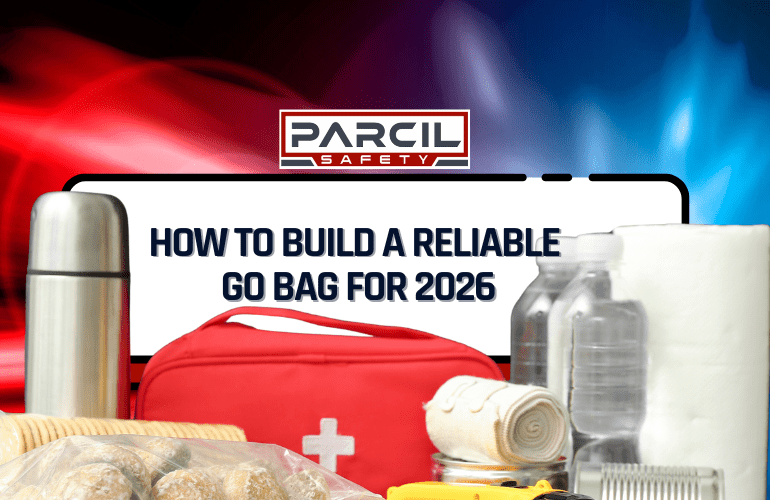
This guide walks you through what every 2026 go bag must have, backed by recommendations from trusted emergency, environmental, and occupational safety organizations.
Get Your Go Bag Essentials Here
Why Your 2025 Go Bag May Not Be Enough for 2026
New threats demand updated tools.
1. Wildfire smoke is spreading farther than ever
According to the National Interagency Fire Center (NIFC), wildfire seasons have lengthened, and smoke is traveling hundreds of miles farther than a decade ago.
2. Air quality alerts are becoming routine
AirNow.gov recorded a major jump in days rated “Unhealthy” across multiple states due to particulates, industrial incidents, and seasonal pollution shifts.
3. More evacuations happen with little warning
The American Red Cross increased its emergency shelter openings in 2024–2025, citing sudden evacuation events caused by extreme weather and localized disasters.
4. Chemical exposure emergencies are rising
NIOSH and the AIHA report more hazardous material incidents related to transportation, industrial sites, and infrastructure failures.
If your kit doesn’t consider these realities, it’s incomplete.
Shop Respiratory Protection Today
The 2026 Go Bag Essentials (Backed by Safety Organizations)
Below are the critical items the Red Cross, National Safety Council, AIHA, and NIOSH recommend for real-world preparedness—plus the often-missed protective gear most people need but never pack.
1. Respiratory Protection (The #1 Missing Item in Most Kits)
Many “pre-made” go bags sold online don't include respirators.
This is a major oversight.
Why?
Because smoke inhalation, airborne debris, and chemical exposure are among the most common dangers during evacuations.
The AIHA and NIOSH stress that proper respiratory protection dramatically reduces health risks during wildfires, dust storms, chemical leaks, and urban emergencies.
Recommended Parcil Safety Respirators to Pack
These options provide real-world protection, not the flimsy dust masks many kits include:
-
ST-100X Gas Mask Respirator
Ideal for smoke, particulates, organic vapors, and industrial hazards. -
NB-100 Tactical Gas Mask (40mm)
Durable, tactical-grade protection for unpredictable environments. -
CS-100 Riot Control Gas Mask
Added versatility for smoke, gas, and crowd-control irritants. -
PD-101 Full Face Respirator
Great all-purpose option for homes, garages, and go bags.
Include at least 1 mask + 1–2 extra filters.
Get Your Gas Mask Respirator Here
2. Fire Safety Tools
According to the National Fire Protection Association (NFPA), small household fires can double in size every 30–60 seconds. During emergencies, a compact fire suppression tool can be life-saving.
Include this in your go bag:
-
Fire Blanket from Parcil Safety
Lightweight and effective for stopping small fires fast.
3. Water & Purification
Recommended by the Red Cross:
- 1 liter per person (minimum) in your go bag
- Water purification tablets or a filtration straw
Water access is one of the first things to fail during evacuations.
4. Light, Heat & Navigation
Trusted sources like NOAA suggest preparing for power failures during extreme weather.
Pack:
- Flashlight (with extra batteries)
- Hand warmer or emergency blanket
- Waterproof matches
- Map of your local area (GPS may fail)
5. First Aid & Medications
A go bag must include:
- Basic first-aid kit
- Prescription medications
- Copies of medical records
The National Safety Council recommends updating this section every 6 months.
6. Tools & Multi-Use Gear
Consider:
- Multi-tool
- Paracord
- Mini pry bar
- Duct tape
- Work gloves
These support mobility and extraction if debris is involved.
7. Communication & Important Documents
Keep:
- Portable power bank
- Backup phone
- USB with scanned documents
- Emergency contact list
2026 Go Bag Packing Checklist
A future-proof go bag must address:
✔ Air quality emergencies
✔ Wildfire smoke & ash
✔ Chemical exposure
✔ Civil unrest scenarios
✔ Home evacuation
✔ Vehicle breakdowns
✔ Power/communications failure
And respiratory protection is central to all of these
Why Parcil Safety Gear Belongs in a 2026 Go Bag
Our masks are used by homeowners, industrial crews, emergency responders, and preparedness-minded Americans nationwide.
What sets them apart:
✔ Full-face visibility
✔ Real filtration performance
✔ Comfortable fit for long wear
✔ Tested materials sourced globally and assembled under strict standards
✔ Designed by U.S. veterans, industrial experts, and safety engineers
Parcil Safety is not a reseller or dropshipper. Our masks come from years of research, engineering, and continuous improvement, with manufacturing partners across multiple countries—not just one.
Emergencies are changing. Your gear should, too.
A go bag isn’t something you build and forget—it’s something you refine as risks evolve.
If 2025 taught us anything, it’s that the future rewards those who prepare early.
👉 Explore Parcil Safety respirators and fire safety gear at:
https://parcilsafety.com/collections
Leave a comment
All comments are moderated before being published.
This site is protected by hCaptcha and the hCaptcha Privacy Policy and Terms of Service apply.