

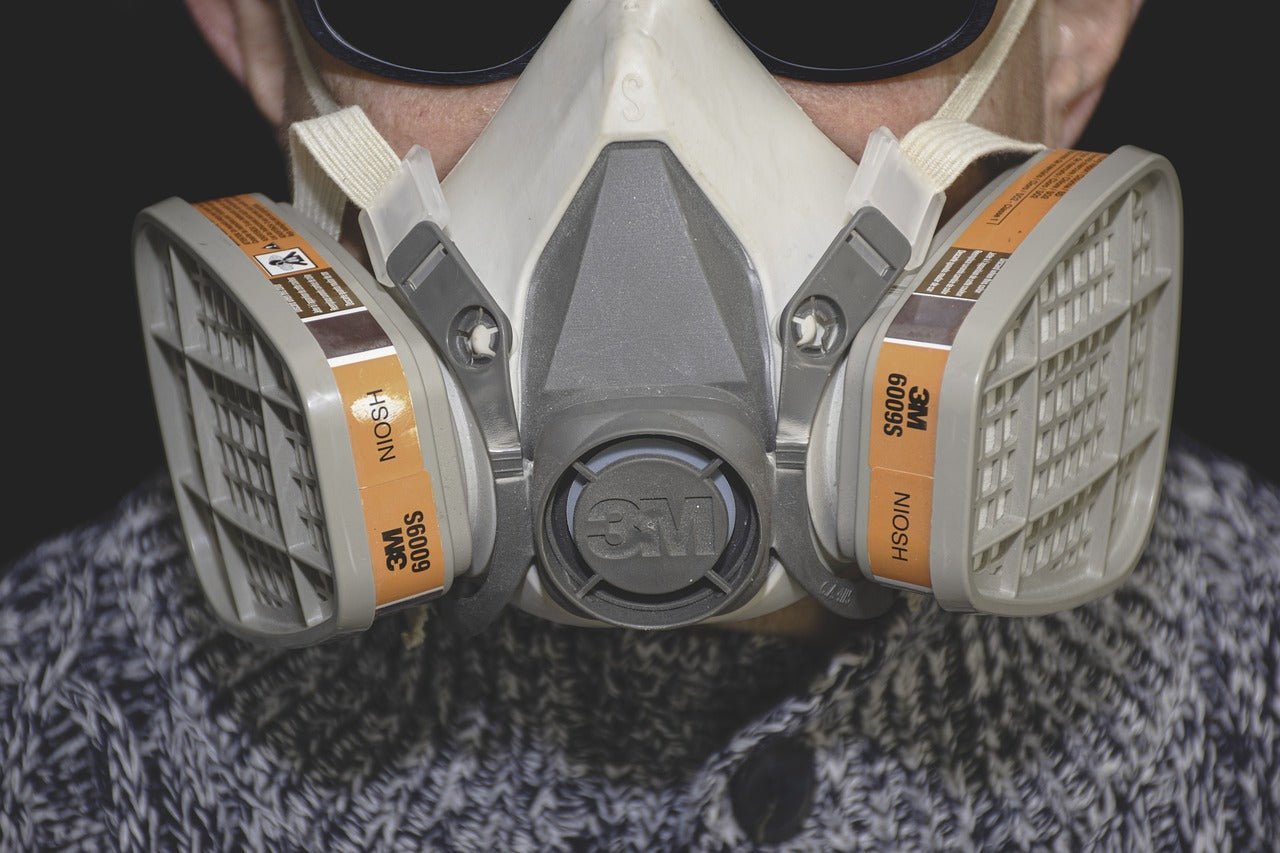
Respirator filter ratings like N95, P100, and R95 have become increasingly important in recent years due to wildfire smoke, industrial accidents, air quality concerns, viruses, and civilian preparedness awareness.
But most people still don’t fully understand what these ratings actually mean or which type of filter is appropriate for their specific environment.
Choosing the wrong filter can leave you underprotected, while choosing the wrong respirator setup can make breathing unnecessarily difficult for long periods of time.
In this guide, we’ll break down:
- what N, R, and P ratings actually mean
- the difference between N95 vs P100 filters
- when higher-rated filters matter
- common respirator mistakes
- which filters work best for smoke, dust, chemicals, painting, and emergency preparedness
What Do Filter Ratings Mean?
| Filter Rating | Best For | Oil Resistant | Filters |
|---|---|---|---|
| N95 | Dust, smoke, viruses | No | 95% of particles |
| R95 | Light oil mist exposure | Somewhat | 95% of particles |
| P100 | Smoke, industrial work, preparedness | Yes |
99.97% of particles |
The first thing we will discuss is the letter classifications associated with the filter ratings. The three main letter classifications are N, R, and P.
Here is a breakdown of what these letters mean for filtration purposes:
N—The letter N in a filter rating means it is “not resistant to oil.” Its only protection is against non-oil contaminants and particulates, such as dust, dirt, viruses, and bacteria.
R – The letter R in a filter rating means it is “somewhat resistant to oil.” In other words, the filter offers minimal protection against oil-based contaminants and particulates. It can usually protect against sprays, aerosols, solvents, resins, degreasers, and anything else that doesn’t emit harmful vapors or chemicals.
P – The letter P in a filter rating means it is “oil proof.” The filter can give you maximum protection against most oil and non-oil contaminants and particulates. Some of these might include vapors, chemicals, gases, fumes, mists, and dust.
Now, let’s talk about the numerical ratings, which are those numbers you see after each letter in the filter rating system. These numbers basically represent the percentage of particles that the filter can block from entering your airways.

For example, if you see a 95 after a letter, it means it can filter 95% or more of the airborne contaminants and particles from entering your respiratory system. If you see a 99 after a letter, it can filter out 99% of the particles. As for the number 100, it usually indicates that it can filter 99.97% of all airborne particles, which is the High-Efficiency Particulate Air (HEPA) standard.
Okay, so you understand the letter classifications and numerical ratings. Let’s look at the three most common filter ratings and what they mean:
- N95 - N95 filters block at least 95% of all non-oil particles from entering your airways. They are recommended in healthcare settings or any environment where you want to protect yourself against respiratory viruses floating in the air. For this reason, N95 filters were popularized during the COVID-19 pandemic.
- P100 – P100 filters block a minimum of 99.97% of all oil and non-oil particles from entering our airways. They are perfect for heavy industrial environments where particulate and vapor exposure are common. Commercial painters, welders, and asbestos removers often wear respirators with these filter ratings.
- R95 – R95 filters block at least 95% of some oil particles and non-oil particles, except for vapors and chemicals. They are best used in environments with some minor oil mist exposure but nothing robust.
The respirator manufacturers usually recommend that you don’t wear the same respirators continuously for more than eight hours at a time. Follow their advice to ensure that your filtration expectations continue to be met based on the filter ratings.
Get the Best Mask Filters Here
Choosing the Right Rating
It is imperative to choose a respirator with the right filter rating so that you can receive the most protection possible against the contaminants in your work environment.
The rule of thumb is to use the N95 filter to protect yourself in environments where you are exposed to dust, dirt, allergens, bacteria, or viruses. Any environment without oil-based particles is good enough for the N95 filter rating.
If you are performing heavy-duty tasks involving exposure to toxic particles, hazardous vapors, and chemicals, the P100 respirator will offer better protection. It is also better if you plan to wear the respirator consistently for several hours at a time.
Common Respirator Filter Mistakes
Choosing the right respirator filter is only part of the equation. Many people unknowingly use the wrong type of protection for their environment or misunderstand what certain filter ratings actually protect against.
Here are some of the most common respirator filter mistakes people make:
Assuming N95 Filters Protect Against Vapors and Chemicals
N95 filters are designed primarily for airborne particulates such as dust, smoke particles, allergens, and certain biological contaminants. However, they do not protect against chemical vapors, solvents, or gases.
If you work around paint fumes, industrial chemicals, or strong vapors, you may need cartridges designed specifically for organic vapors or chemical filtration.
Believing Higher Ratings Automatically Mean Better Protection for Every Situation
Many people assume that using the highest-rated filter is always the best option. While filters like P100 provide excellent particulate filtration, they can also create more breathing resistance during long periods of wear.
The best filter depends on:
- the contaminants present
- the duration of exposure
- comfort requirements
- your specific work environment
Ignoring Proper Respirator Fit
Even the highest-rated filter cannot provide proper protection if the respirator does not seal correctly against your face.
Facial hair, incorrect sizing, loose straps, and improper fitment are some of the most common reasons respirators fail to perform as intended.
Using Particulate Filters for Chemical Exposure
Particulate filters are designed to capture airborne particles such as dust, smoke, and debris. They are not designed to neutralize dangerous gases or vapors.
For environments involving paint fumes, solvents, pesticides, or chemicals, specialized cartridges such as OV/P100 filters may be required.
Forgetting to Replace Filters Regularly
Respirator filters do not last forever. Over time, filters can become clogged, saturated, or less effective depending on the environment and level of exposure.
Signs that filters may need replacement include:
- increased breathing resistance
- noticeable odors or vapors
- visible damage
- extended use in contaminated environments
Purchasing Low-Quality or Counterfeit Filters
Not all respirator filters sold online meet proper safety standards. Low-quality or counterfeit filters may provide significantly less protection than advertised.
Always purchase filters and respirators from reputable manufacturers and trusted suppliers to ensure proper certification and performance.
Which Respirator Filter Should You Actually Use?
Understanding respirator ratings becomes much easier when you apply them to real-world situations. Different environments expose you to different types of airborne hazards, which means the ideal filter depends on the specific contaminants present.
Here are some of the most common real-world respirator scenarios and the types of filters typically recommended for each environment:
Wildfire Smoke and Urban Air Quality
Wildfire smoke contains extremely small airborne particles that can travel deep into the lungs. During severe smoke events, prolonged exposure may irritate the respiratory system and reduce indoor air quality significantly.
Recommended Filters:
- N95 for short-term smoke exposure
- P100 for prolonged exposure or environments with heavy smoke concentrations
Many people choose reusable P100 respirators during wildfire season because they offer higher particulate filtration efficiency and extended durability.
Spray Painting and Chemical Vapors
Spray paint environments often contain a combination of airborne paint particles and chemical vapors from solvents and coatings.
Recommended Filters:
- OV/P100 filters or cartridges designed for organic vapors and particulates
Standard N95 particulate filters are not designed to protect against paint fumes or chemical vapors.
Woodworking and Dust Exposure
Woodworking environments generate large amounts of fine dust particles that can remain airborne for long periods of time.
Recommended Filters:
- N95 for light woodworking and sanding
- P100 for prolonged exposure or environments with heavy dust concentrations
Comfort and breathability are often important considerations during long workshop sessions.
Mold Remediation and Cleanup
Mold spores and contaminated dust can become airborne during cleanup and remediation work.
Recommended Filters:
- P100 respirators
Higher-efficiency particulate filtration is commonly preferred in environments with heavy airborne contaminants.
Industrial and Manufacturing Environments
Industrial worksites may expose workers to smoke, fumes, dust, oil aerosols, solvents, and other hazardous airborne contaminants depending on the specific job.
Recommended Filters:
- P100 or specialized chemical cartridges depending on the environment
Always evaluate the exact hazards present before selecting respiratory protection.
Emergency Preparedness and Civilian Readiness
Many civilians now include respirators in emergency preparedness kits for situations involving wildfire smoke, urban fires, industrial accidents, or air quality emergencies.
Recommended Filters:
- P100 filters for general preparedness and smoke protection
- Specialized cartridges depending on potential chemical exposure risks
Preparedness-focused users often prioritize reusable respirator systems because they provide flexibility for multiple scenarios and long-term storage.
When to Use Higher Ratings
| Situation | Recommended Filter |
|---|---|
| General dust | N95 |
| Wildfire smoke | P100 |
| Spray paint | OV/P100 |
| Woodworking | N95 or P100 |
| Mold remediation | P100 |
| Emergency preparedness | P100 |
Should you protect yourself against 95% or 99.97% of airborne particles? You might be wondering this question as you consider these filter ratings.
Keep in mind that each letter classification has multiple numerical ratings associated with them. For instance, the N letter classification has N95, N99, and N100. There is a lot of talk about using N95 respirators to protect against viruses, but what about the higher-rated N99 and N100 filters? Wouldn’t those offer better protection?
Technically, the higher ratings offer more protection against airborne particles and contaminants. However, the ease of breathing is one common reason why someone would choose a lower rating. It all depends on the threat level of the environment and the amount of filtration protection you really need.
Here are two scenarios where you would wear an N95 respirator vs. an N99 or N100 respirator:
- N95 – A healthcare or woodworking environment with general threat levels against viruses, wood particles, and other airborne particulates.
- N99 & N100 – Any environment with a high level of viruses, smoke, bacteria, dust, and particulates in the air, such as wildfires and industrial or manufacturing settings.
Here are two scenarios where you would wear a P95 respirator vs a P100 respirator:
- P95 – An environment where you spray chemicals, such as pesticides, that generate a mild oil mist in the air.
- P100 – A heavy industrial environment where you’re exposed to highly toxic particulates.
The higher rating gives you added protection that you don’t get from the lower-rated filters. Just note that it will be more difficult to wear higher-rated filters for extended periods due to the breathing difficulties you might encounter.
Conclusion
Choosing the right filter rating ensures that you’re equipped with the appropriate level of protection for your specific work environment. Hopefully, you now have a better understanding of how to find the right filter rating for the tasks you plan to do.
Do you have questions or need more clarification about filter ratings and their meaning? Contact Parcil Safety at 1 (855) 715-1400 for more information.
Leave a comment
All comments are moderated before being published.
This site is protected by hCaptcha and the hCaptcha Privacy Policy and Terms of Service apply.