

Do You Need to Wear a Mask When Painting? Here’s What You Need to Know
Many people assume painting is relatively harmless as long as the smell isn’t too strong. But depending on the type of paint, ventilation, and environment, painting can expose you to airborne particulates, solvents, volatile organic compounds (VOCs), and chemical vapors that may irritate the lungs and respiratory system.
The level of protection you need depends heavily on:
- the type of paint
- whether you’re painting indoors or outdoors
- how long you’re exposed
- whether you’re spraying, rolling, or sanding
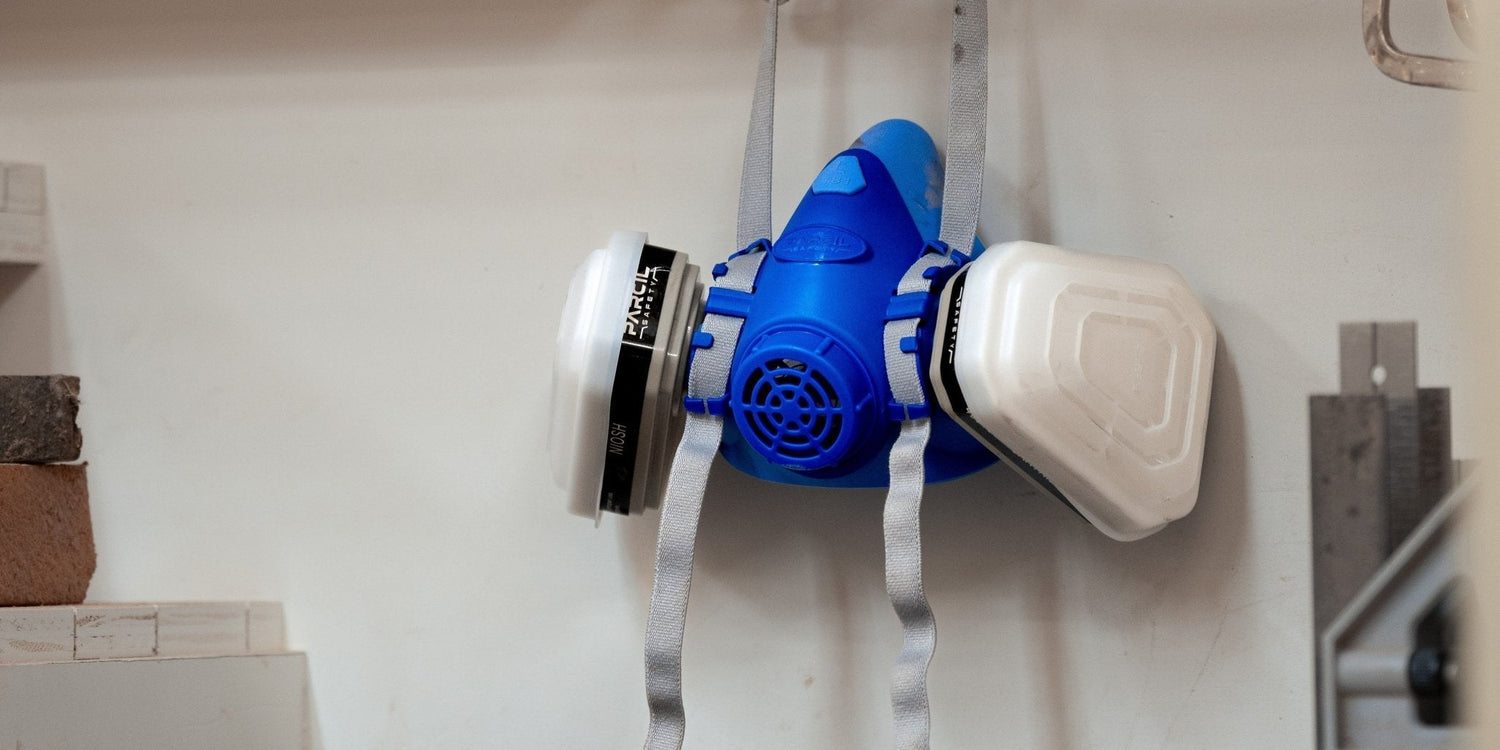
In some situations, a basic dust mask may be enough. In others, you may need a properly fitted respirator with organic vapor cartridges for adequate protection.
Explore Industrial-Grade Gas Masks Here
Why You Should Always Wear a Respirator When Painting?
Painting releases volatile organic compounds (VOCs), chemical vapors that enter your lungs and bloodstream. Common sources include:
- Spray paints
- Primers and thinners
- Wood stains
- Oil-based and enamel paints
- Epoxy and lacquer coatings
Short-term exposure can cause headaches, dizziness, nausea, and irritation. Long-term exposure has been linked to serious respiratory issues and neurological problems.
What Type of Mask Is Best for Painting?
Here’s the breakdown of what you need:
| Mask Type | Best For |
|---|---|
| Half-Face Respirator | Wall painting, staining, light-duty spray paint |
| Full-Face Respirator | Spray booths, enamel/solvent-based projects, eye protection |
| P95/P100 Filters | Dust, overspray, sanding cleanup |
| OV Cartridges | Vapor from oil-based and solvent paints |
Disposable masks like N95s are not enough; they don't block VOCs. You need cartridge-based respirators that filter both gases and particulates.
Recommended Respirators for Painting Projects
Based on Parcil Safety’s Painting Collection, these are top-rated picks:
🔹 UltraSeal Half-Face Respirator with OV/P95 Filters
- Lightweight, comfortable, and effective
- Perfect for residential painting, staining, and garage projects
🔹 FFR-100 Full-Face Respirator
- Ideal for high-exposure environments and spray painting
- Includes eye protection, rated for OV and P100
🔹 T-61 Half-Face Respirator
- Rugged, adjustable fit
- Great for contractors, home renovators, and workshop users
Shop Painting Gas Masks Here
Protective Equipment Beyond the Mask
Your respirator is just one part of your painting safety kit. Don’t skip these essentials:
- Ventilation: Use fans, exhaust systems, or open windows
- Nitrile Gloves: Keep solvents and paint off your hands
- Safety Goggles or Full-Face Respirator: Avoid eye irritation or splashes
- Coveralls or Old Clothing: Paint gets everywhere — protect your skin and clothes
Common Painting Safety Questions
Can I use an N95 mask for painting?
No. N95 masks don’t protect against vapors. You need OV-rated cartridges for that.
What’s the difference between P95 and P100 filters?
P95 blocks 95% of particulates, while P100 blocks 99.97%. Both should be paired with OV cartridges for paint fume protection.
Should I wear a mask when painting outside?
Yes — even outdoors, spray paint and solvent vapors can be inhaled. Use a respirator any time you’re working with chemicals.
Explore Industrial-Grade Gas Masks Here
Final Take: Don’t Risk It — Protect Your Lungs
Paint fumes may not always smell strong, but that doesn't mean they're safe. If you're painting indoors, using spray cans, or working on furniture restoration, don’t cut corners on respiratory safety.
👉 Explore the full Painting Respirator Collection
👉 Need eye protection? Go with the FFR-100 Full-Face Respirator
👉 For casual or home use, the UltraSeal + OV/P95 Combo is your best bet
Sources
Leave a comment
All comments are moderated before being published.
This site is protected by hCaptcha and the hCaptcha Privacy Policy and Terms of Service apply.